
Ultimate Foundation Repair Equipment For Effective Stabilization
Explore top equipment options that provide effective stabilization solutions for various foundation repair needs.
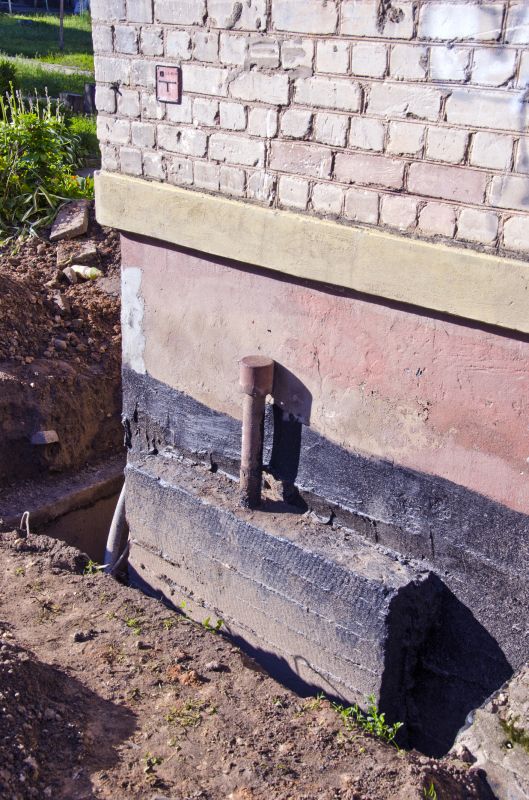 Foundation repairs are essential for maintaining the stability and safety of a structure. When signs such as cracking walls, uneven flooring, or sticking doors appear, it may indicate underlying issues with the foundation. Addressing these concerns promptly can prevent further damage and costly repairs down the line. There are a variety of products available to help homeowners and contractors reinforce, stabilize, or lift foundations, each suited for different types of problems and soil conditions.
Top Overall Option
Polyurethane Foam Injection System
Polyurethane foam injection systems are versatile and minimally invasive solutions used to lift and stabilize sunken concrete slabs and fill cracks. They expand upon application, providing immediate support and sealing leaks or gaps. These systems are suitable for a variety of foundation issues and can be used in both residential and commercial settings, making them a popular choice for many repair projects.
Types of Products For Foundation Repairs
Hydraulic Push Piers
Hydraulic push piers are used to lift and stabilize foundations by transferring the load to deeper, more stable soil layers. They are driven into the ground beneath the foundation and can be adjusted to achieve the desired level of lift.
Helical Piers
Helical piers feature screw-like shafts that are rotated into the ground to provide support for settling or sinking foundations. They are often used in areas with challenging soil conditions.
Mudjacking / Slab Jacking
This method involves injecting a slurry mixture beneath settled concrete slabs to lift and level them. It is commonly used for driveways, sidewalks, and garage floors.
Polyurethane Foam Injection
A quick and minimally invasive solution that involves injecting expanding foam to lift and stabilize the foundation or concrete slabs. Suitable for small to medium repairs.
Crack Fillers and Sealants
These products are used to fill and seal small cracks in the foundation to prevent water intrusion and further deterioration.
Carbon Fiber Reinforcement
Carbon fiber strips are applied to the interior or exterior of foundation walls to reinforce and prevent bowing or cracking.
Underpinning Piles
Underpinning involves installing piles beneath the foundation to increase support and stability, especially in cases of significant sinking.
Soil Stabilizers
Chemical or mechanical agents used to improve soil stability around the foundation, reducing movement and settling.
Grouting Materials
High-strength grouts are used to fill voids and strengthen weak soil or foundation sections.
Foundation Bolts and Anchors
Metal bolts and anchors are installed to secure foundation walls or structures to the footing, preventing movement.
Drainage and Waterproofing Products
These include membranes, drains, and sealants designed to manage water flow and prevent moisture-related foundation issues.
Vapor Barriers
Materials installed to control moisture infiltration and protect the foundation from water damage.
Concrete Patching and Repair Mixes
Specialized mixes used to repair and reinforce damaged concrete surfaces around the foundation.
Steel Reinforcement Bars
Rebars are embedded within concrete to increase tensile strength and prevent cracking.
Inspection and Monitoring Devices
Tools such as crack monitors and settlement gauges help track foundation movement over time.
Popular Choices
A widely used method for quick stabilization of concrete slabs and minor foundation issues, known for its ease of application.
Commonly selected for their ability to lift and stabilize sinking foundations in various soil conditions.
Popular for sealing small cracks and preventing water intrusion, often used in conjunction with other repair methods.
Favored for their ability to support foundations in challenging soil environments and areas with high load demands.
A cost-effective solution for leveling uneven concrete surfaces like driveways and sidewalks.
Popular for reinforcing bowing or cracking foundation walls with a non-invasive approach.
Often chosen to improve water management around foundations and reduce moisture-related issues.
Commonly used to reinforce and secure foundation walls to prevent movement.
Frequently selected to protect foundations from water ingress and related damage.
Popular for improving soil consistency and reducing future settling problems.
Used to track foundation movement over time, providing ongoing assessment of repair effectiveness.
Understanding the options for foundation repair products is crucial for making informed decisions. These products range from simple sealants and crack fillers to complex underpinning systems and hydraulic jacks. Proper application and selection depend on the specific foundation issues, soil type, and the extent of damage. Consulting with a foundation specialist can help determine the most appropriate solutions for individual circumstances.
In North Richland Hills, TX, where soil conditions and climate can influence foundation health, choosing the right products becomes even more important. Local contractors often recommend a combination of products to achieve optimal stabilization. Regular inspections and maintenance can also extend the lifespan of foundation repairs, ensuring the safety and value of your property over time.
While DIY solutions exist, many foundation repair products are best applied by experienced professionals to ensure safety and effectiveness. Whether dealing with minor cracks or significant structural concerns, selecting quality products designed for your specific needs can make a noticeable difference. Always prioritize products that are durable, compatible with your foundation type, and suitable for the soil and weather conditions in your area.
Key Buying Considerations
- Identify the specific foundation issue, such as cracking, sinking, or bowing, to select the appropriate product.
- Assess soil conditions and how they influence foundation stability in your area.
- Consider the extent of damage to determine whether a minimally invasive or more comprehensive repair system is needed.
- Evaluate the compatibility of the product with your foundation type (concrete, pier, crawl space, etc.).
- Check the load-bearing capacity and whether the product can support your property’s weight and structure.
- Review the ease of installation, especially if considering DIY options versus professional application.
- Prioritize products with proven durability and suitable for long-term performance.
- Examine the safety features and proper application instructions to prevent future issues.
- Consider the environmental conditions, such as moisture levels and drainage, which can affect product effectiveness.
- Investigate warranty options or guarantees offered by manufacturers or contractors.
- Evaluate the cost relative to the scope of repair, balancing budget constraints with quality needs.
- Research local contractor experience and recommendations for specific products or systems.
- Ensure the product complies with local building codes and standards.
- Look into maintenance requirements and ongoing monitoring to ensure lasting results.
- Determine if the product can be integrated with other repair or reinforcement methods for comprehensive solutions.