Best Time for Foundation Repairs
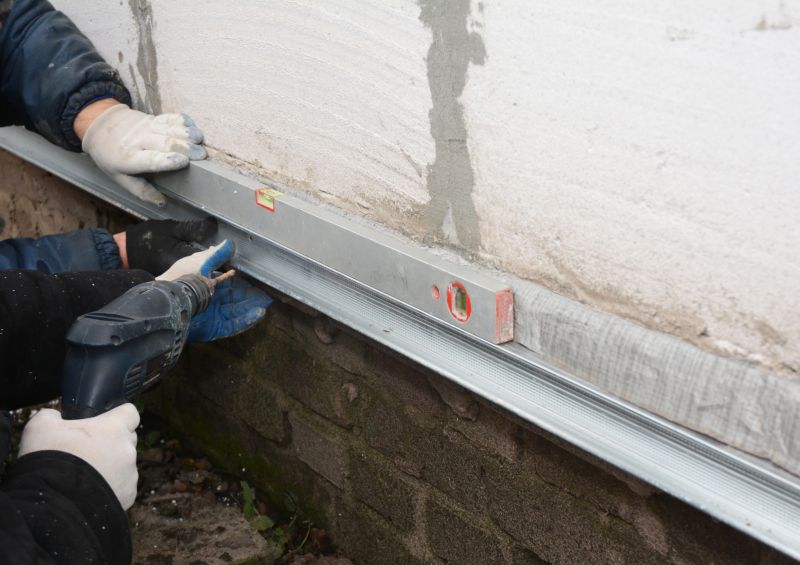
Spring offers moderate temperatures and stable ground conditions, making it suitable for foundation repairs.
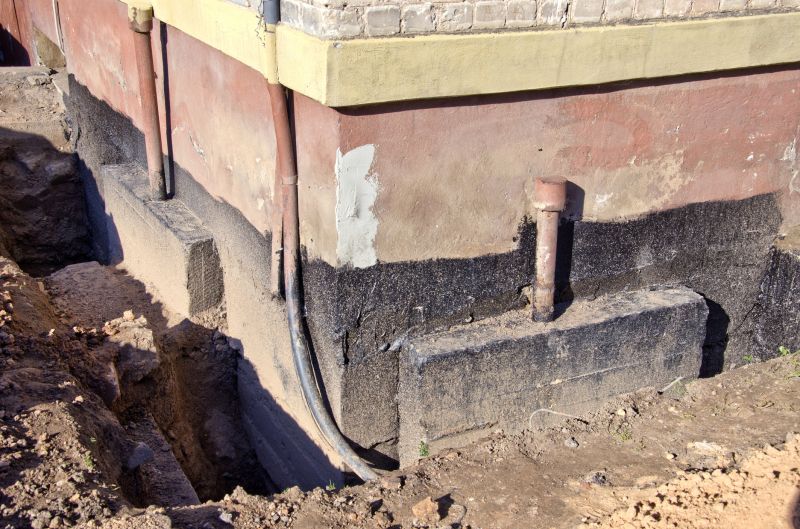
Summer's warm weather can facilitate quicker curing times, but extreme heat may cause soil to dry and shift.
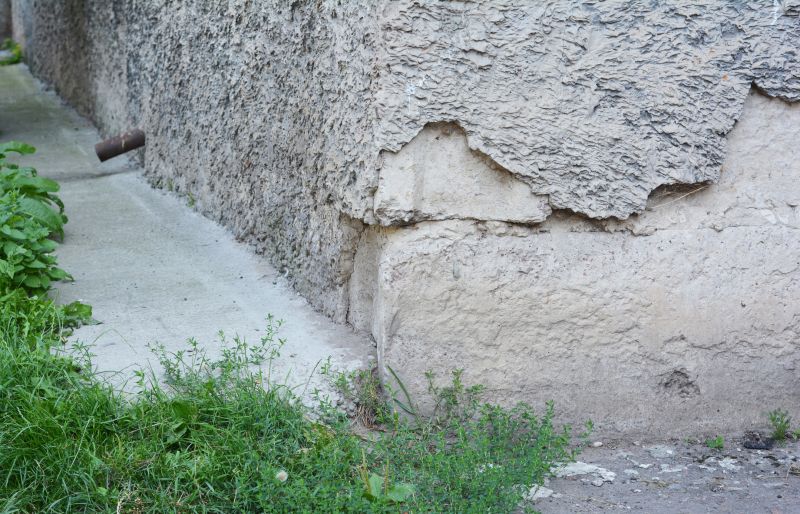
Fall provides cooler temperatures and less moisture fluctuation, ideal for certain repair methods.
Foundation repairs are essential for maintaining the structural integrity of a building. The timing of repairs can impact their effectiveness and longevity. Seasonal conditions influence soil movement, moisture levels, and curing processes, all of which are critical factors in foundation work.
Statistics indicate that foundation issues are most prevalent in areas with significant soil expansion and contraction, often linked to seasonal moisture changes. Proper timing can reduce repair costs and improve outcomes, making it important to consider seasonal weather patterns when planning foundation work.
Soil tends to expand in wet seasons and contract in dry periods, affecting foundation stability.
Moderate temperatures and stable ground conditions improve repair success rates.
Excess moisture or drought can cause soil shifts, influencing the timing of repairs.
Avoiding extreme weather ensures better curing and adhesion of repair materials.
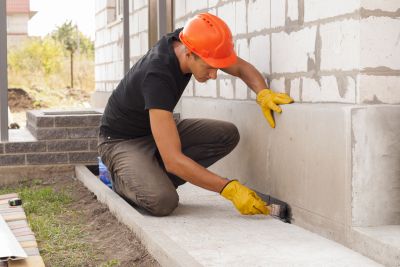
Proper planning according to seasonal conditions enhances repair durability.
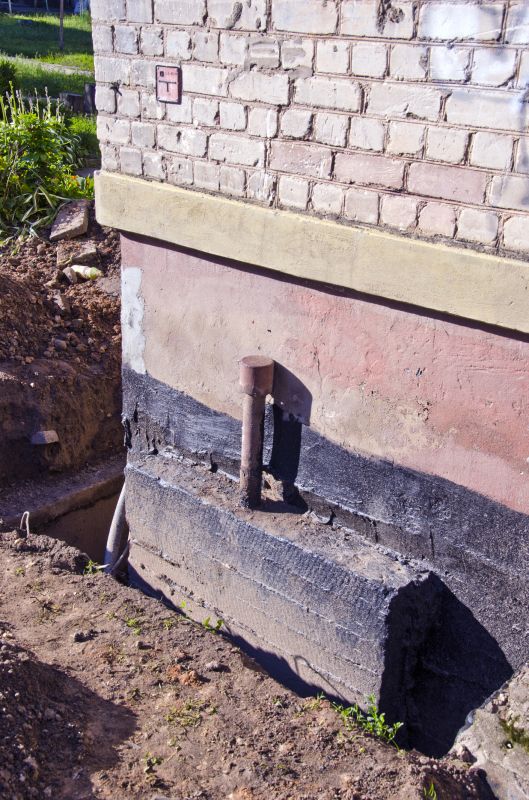
Timing repairs during optimal weather helps implement soil stabilization effectively.
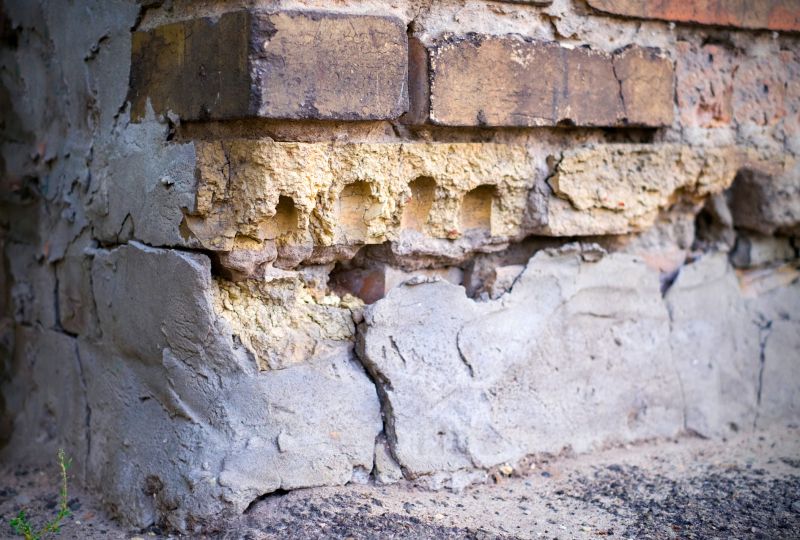
Regular assessment of soil moisture levels guides the best repair timing.
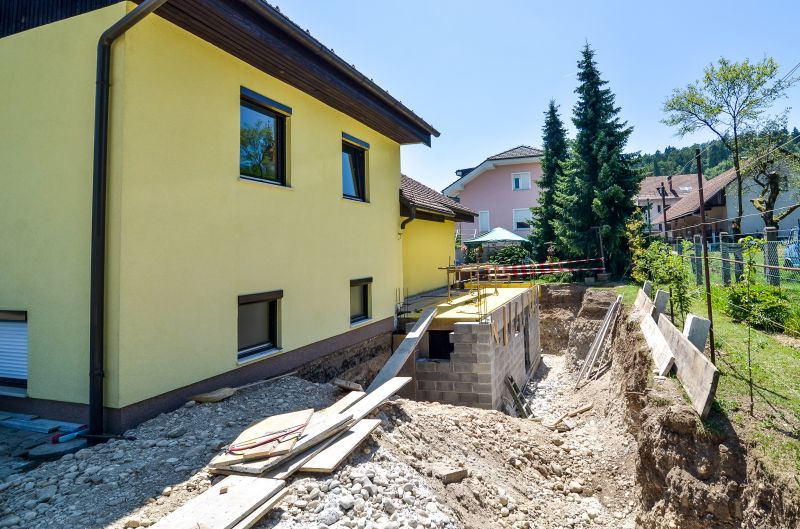
Early detection of issues allows for scheduling repairs during suitable seasons.
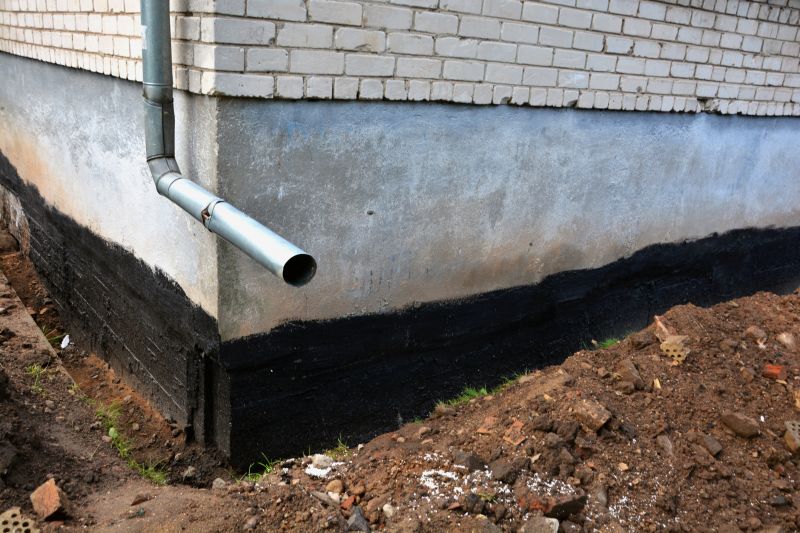
Addressing drainage before winter prevents water accumulation that can worsen foundation problems.
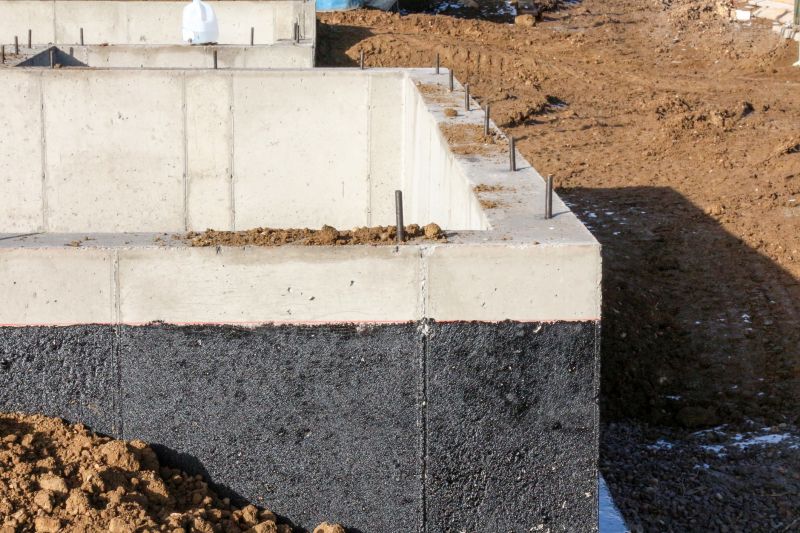
Availability of specialized tools is higher during favorable weather conditions.
| Season | Recommended Actions |
|---|---|
| Spring | Assess soil moisture, plan repairs, and address drainage issues. |
| Summer | Perform repairs early in the season to avoid heat-related curing issues. |
| Fall | Ideal for repairs due to stable ground and cooler temperatures. |
| Winter | Generally not recommended unless conditions are mild and ground is not frozen. |
Timely foundation repairs can prevent costly future damages. Understanding seasonal impacts helps in scheduling work during periods with the most stable ground conditions. Proper planning ensures that repairs are effective and long-lasting.